25 November 2026
From 25 November to 10 December, the world marks the 16 Days of Activism against gender-based violence. This year, Islamic Relief Kenya has a clear message for men in our homes, mosques and communities: there is no excuse for violence against women, and silence is not an option.
When a woman finally tells someone she is being hurt, the response she gets matters. Too often, she is told to keep quiet, to be patient, or to protect the family’s name. When that happens, the harm can continue.
The violence we do not see
Violence against women is widespread in Kenya. According to the Kenya Demographic and Health Survey (KDHS) 2022, 34% of women aged 15 to 49 have experienced physical violence since the age of 15, and 16% experienced it in the past year.
Behind each of these figures is a woman who was hurt, often by someone she knows.
The excuses that keep women silent
We have all heard them. “It is a family matter.” “She must have provoked him.” “Be patient, for the sake of the children.” “He is a good man, really.”
Each excuse moves attention away from the harm and onto the woman. Each one makes it harder for her to seek help, and easier for the abuse to go on. Friendship, reputation and tradition never justify violence. Responsibility lies with the person who commits it.
Why our message is for men
Most men would never raise a hand against a woman. But too many stay quiet, or excuse the men who do.
Men hold real influence over what is accepted among friends, relatives and colleagues. When a respected man says “that is not okay”, it carries weight. Fathers, teachers, imams and elders also shape what boys grow up believing a man should be. That is why Islamic Relief’s No Excuse campaign asks men to notice those moments, and to act.
What our faith teaches
The Qur’an calls on believers to stand firm for justice, even against themselves, their parents and their relatives (4:135). In his Farewell Sermon, the Prophet ﷺ urged men to fear Allah in how they treat women, and he never struck a woman.
When Khawlah bint Tha’labah (RA) came to the Prophet ﷺ with a complaint about her husband, Allah heard her, and Surah Al-Mujadilah opens with her story. Her concern was not dismissed as a private matter. Using religion to excuse abuse is a misuse of faith.
Change is possible
Kenya has shown that harmful practices can change. The share of women who have undergone female genital mutilation (FGM) fell from 32% in 2003 to 15% in 2022. Progress is not the same as an end, and in some communities girls still face this practice. Lasting change comes when it is led by the people communities already trust: imams, elders, women’s groups and young people.
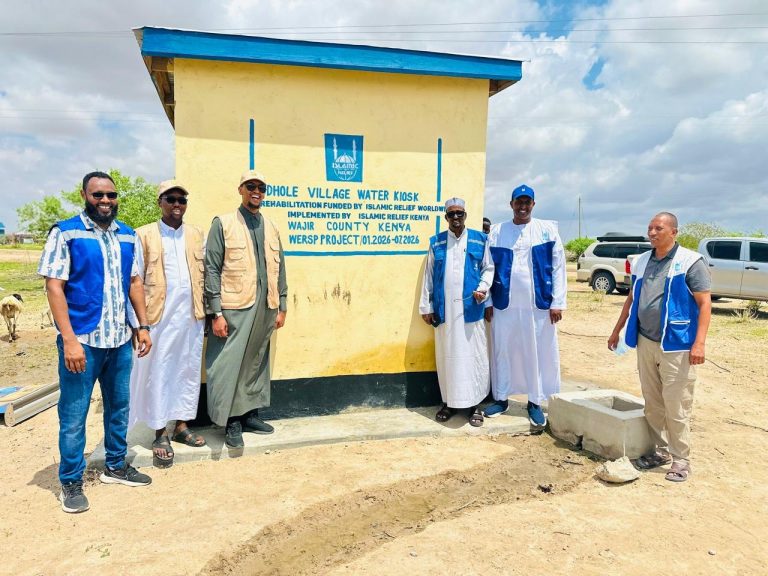
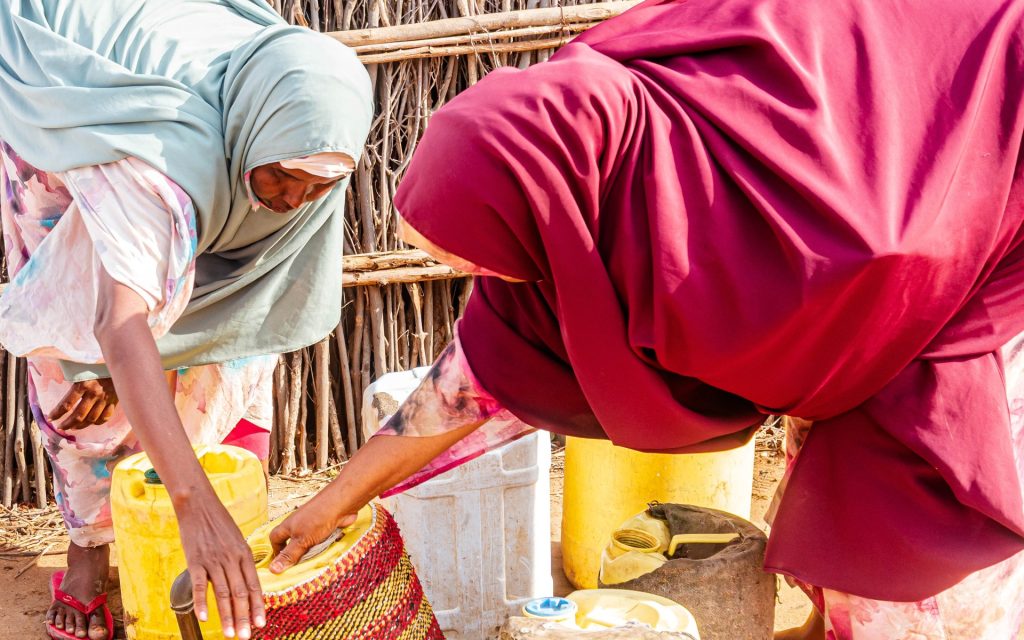
Islamic Relief’s work in Kenya includes community education on child marriage, female genital mutilation, and physical and emotional violence.
No excuse
During these 16 Days, our message to men is simple and practical.
If a woman tells you she is being hurt, believe her. Listen without judging and ask what support she wants. Her safety comes first, so let her decide the next step rather than acting on her behalf.
If a friend or relative belittles or controls women, do not laugh along or look away. Challenge degrading jokes and comments, and show the boys around you, through your own conduct, what a respectful man looks like.
Ask your imam to speak about violence against women in a Friday khutbah, and support local organisations that help women and girls.
Ending violence against women cannot be left to women alone. It is a responsibility we all share, and men must play their part.
Stand with us this 16 Days. Share the message with #NoExcuse, and find out more about our work with women and girls in Kenya by emailing [email protected] or visiting islamic-relief.or.ke.
Help us reach more families. Every gift, in Kenya shillings by M-Pesa or card, goes to families in need across Kenya. Donate now or read more stories.